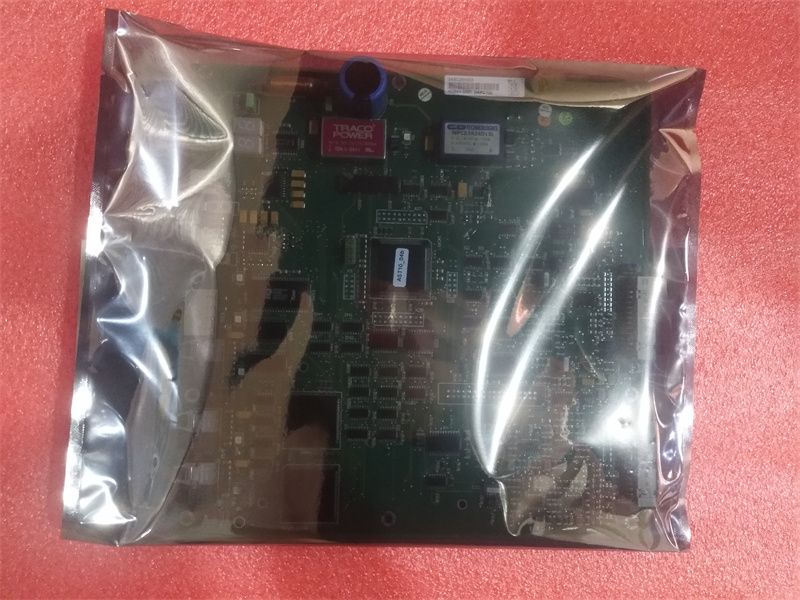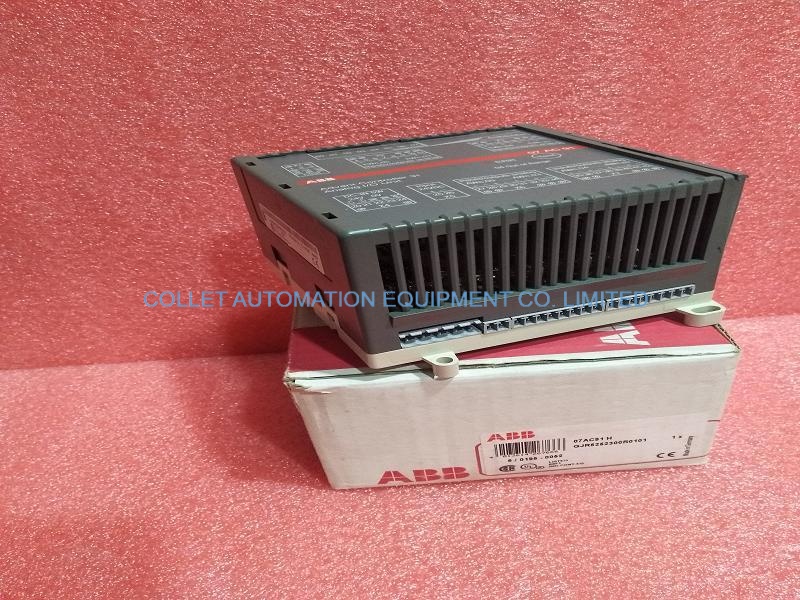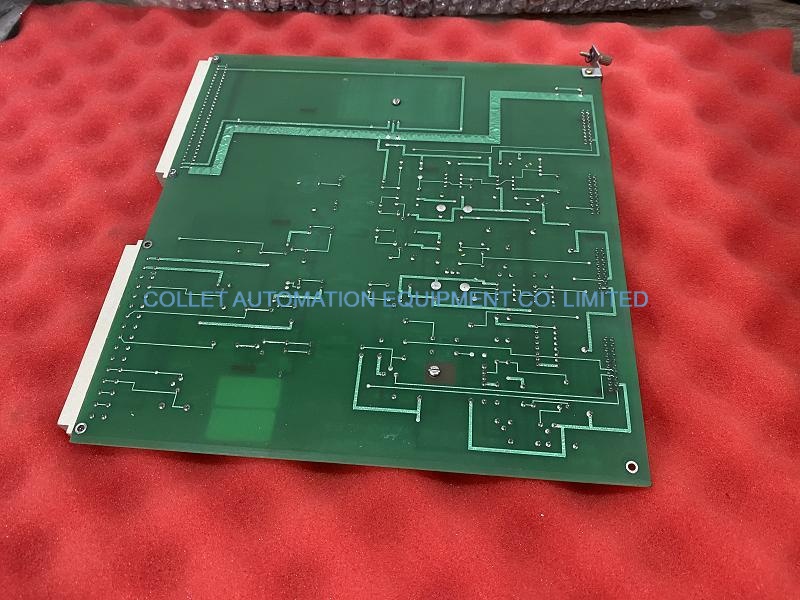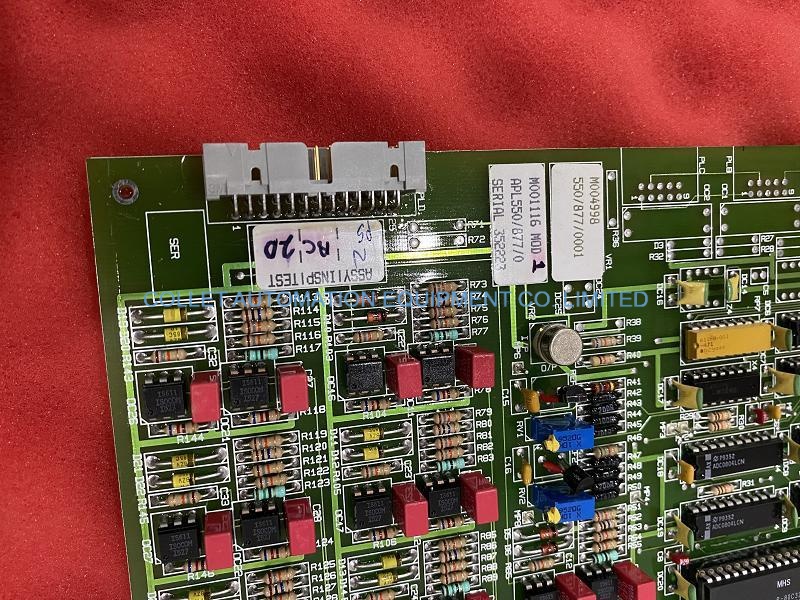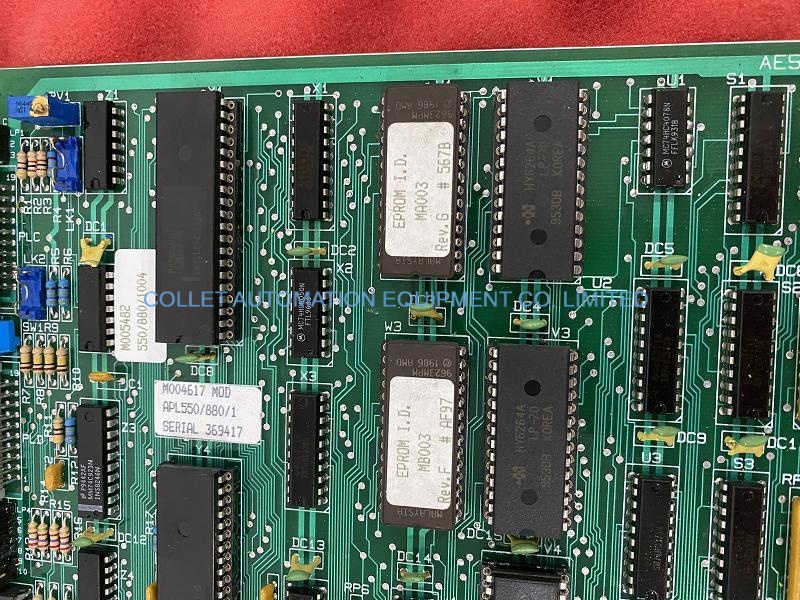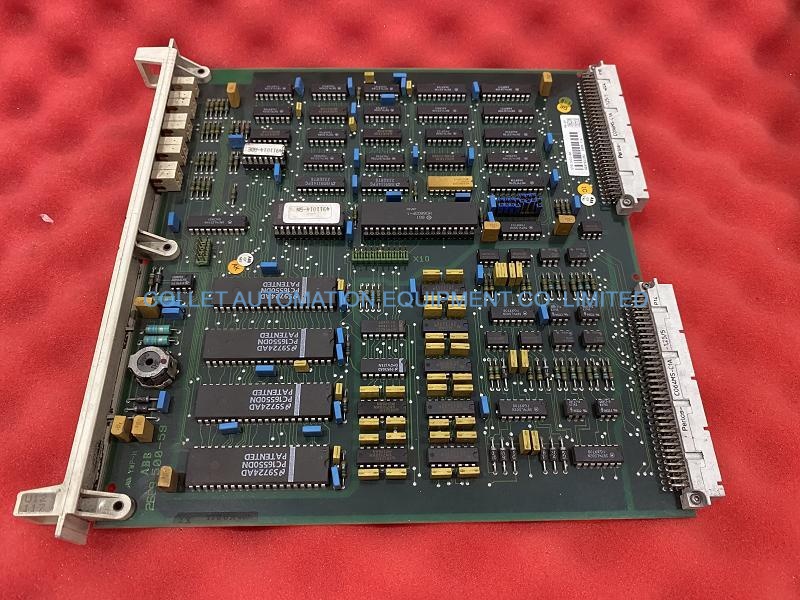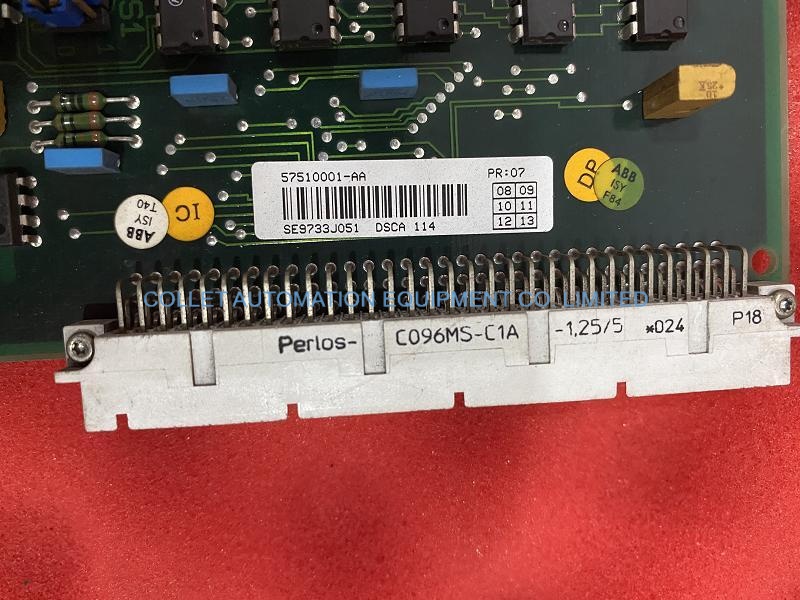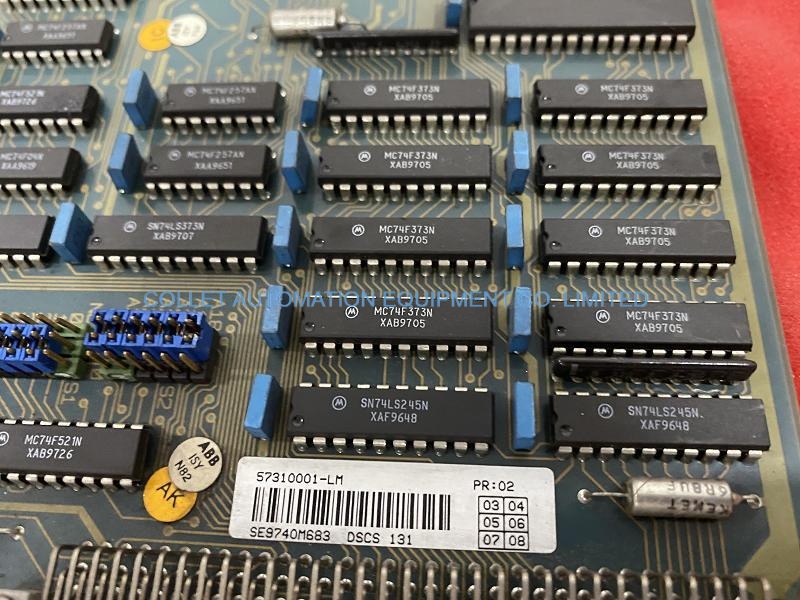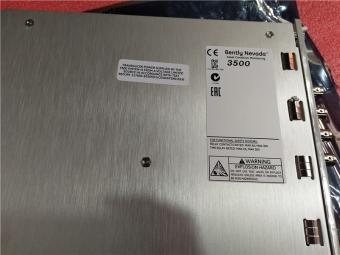



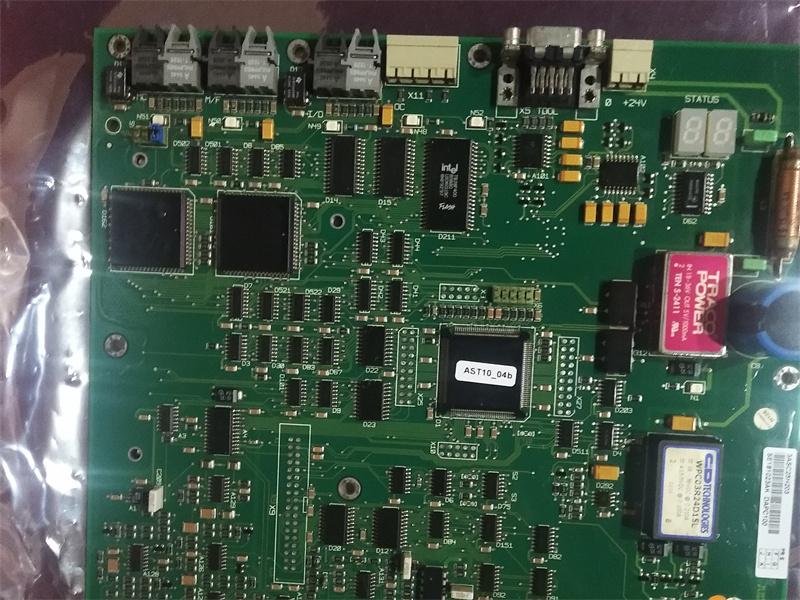
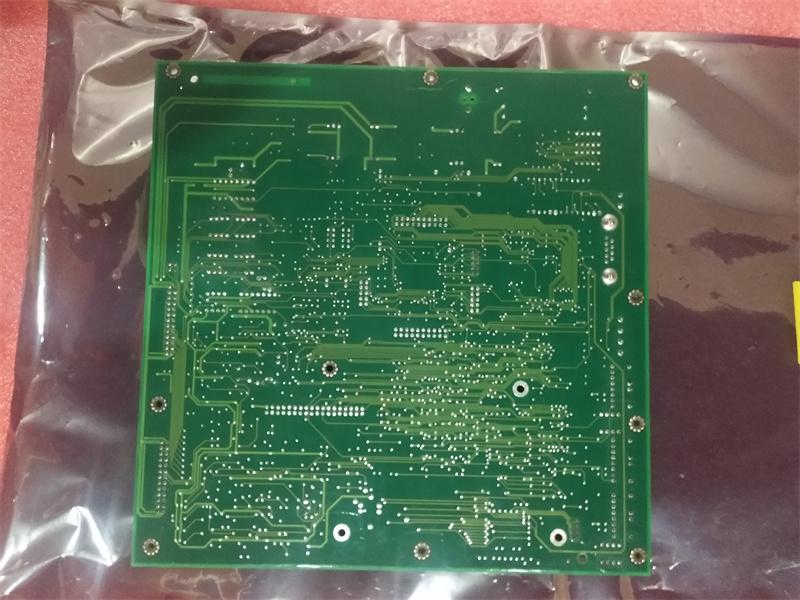
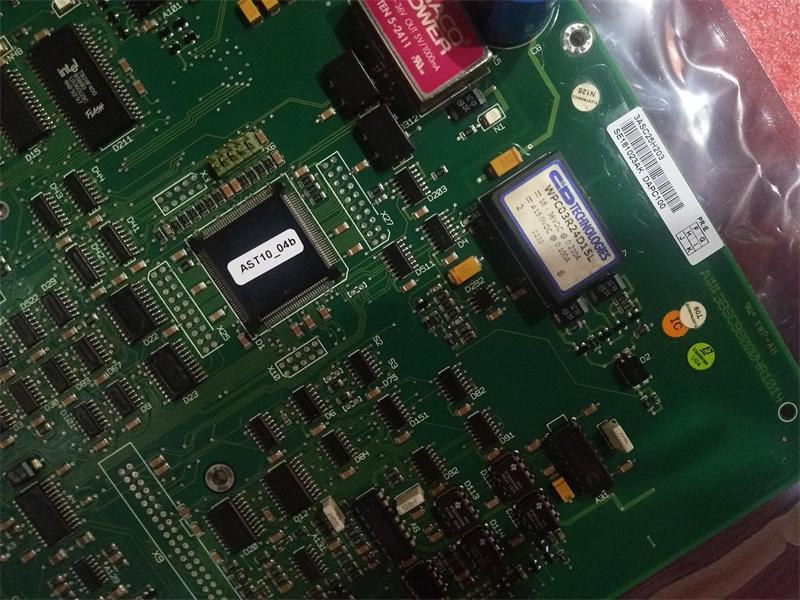
|
Manufacture |
ABB |
|
Model |
DAPC 100 |
| PN No. |
3ASC25H203 |
| Catalog | Spare Parts |
| Description |
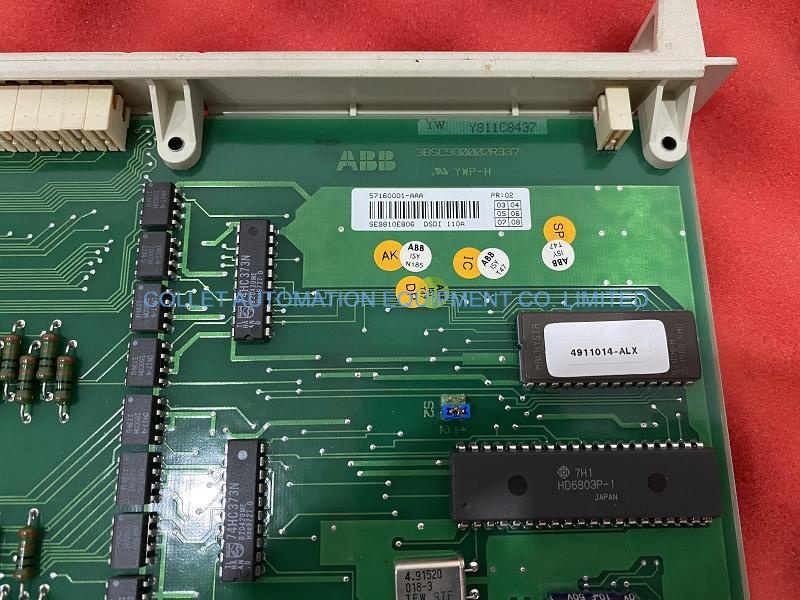
Thyristor Module |
| Origin | Sweden(SE) |
| HS CODE |
85371098 |
| Dimension |
18*18*5 (CM) |
| Weight | 0.37 kg |
Description:
The ABB DAPC100 is not a simple switch or ordinary I/O board, but rather the "brain" of an industrial system, carrying logic, communication, and signal processing. It is suitable for industrial applications requiring high-precision data processing and multi-protocol networking, and is a core component of any automation upgrade project. However, high performance comes with high demands: proper selection, meticulous system configuration, and a professional engineering understanding are key to realizing its true value.
Exclusive Description of ABB DAPC100 (English)
| Section | Content |
|---|---|
| Product Overview | ABB DAPC100 is an advanced industrial control module designed for demanding automation environments. It serves as a central controller or signal processing unit in distributed control systems, drive systems, or analog signal acquisition systems. The module supports multi-channel input/output and programmable logic for flexible automation solutions. |
| Key Features & Highlights |
• Multi-Channel I/O: Supports multiple analog input channels handling signals such as 0–10V, 4–20mA, and 0–20mA. • High Precision Conversion: Equipped with a 16-bit A/D converter for accurate and low-noise signal conversion. • Programmability: Allows user-defined programming for specific application logic. • Communications: Interfaces such as RS-485, Ethernet, CAN, Profibus/Modbus may be supported (variant dependent). |
| Typical Applications | Used in industrial automation for process control (temperature/pressure/flow monitoring), drive coordination, DCS integration, motor control systems, and complex distributed control architectures. |
| Advantages (Professional View) |
• Stability & Reliability: Based on robust industrial design, performs consistently in harsh environments — beneficial for continuous operations. • Flexibility: Wide protocol support and configurability allow integration with different systems. Programmable logic adds greater control flexibility. |
| Challenges & Considerations |
• Model Variants: Internal differences between DAPC100 sub-models require careful selection to match the application — incorrect selection may lead to integration or performance issues. • Technical Complexity: Requires solid automation expertise for proper configuration and deployment. • Cost: As a professional-grade control module, it may be more expensive compared to basic controllers or I/O boards. |
| Summary Opinion | ABB DAPC100 is not a simple I/O board but a core automation component with precise signal handling and control logic capabilities. Its strengths lie in stability, flexibility, and integration capability — making it suitable for medium-to-large automation systems. However, technical proficiency and correct module variant selection are key to maximizing its value. |
Q&A:
Q: What are the exact power supply requirements for the ABB DAPC100 module (voltage, current, power consumption, and any special power conditions)?
A:
For most ABB DAPC100 variants (e.g., 3ASC25H203), the module requires a 24 V DC power supply as its main supply. It typically consumes around 5–10 W of power, meaning the system should provide stable 24 V DC with enough current headroom for startup and signal processing stages.
Supply Voltage: 24 V DC (nominal)
AutoControl Global
Power Consumption: ~5–10 W typical
AutoControl Global
Current Requirement: Depends on total load; design supply with margin beyond typical consumption to avoid undervoltage during transients.
Ensure the 24 V DC is clean, stable and protected against over-voltage, surges, and noise — as industrial environments often induce electrical interference.
Datasheet Link:
 DAPC100 ABB 3ASC25H203 Control board PDF Datasheet