


|
Manufacture |
GE |
|
Model |
IS210BAPAH1A |
| PN No. |
IS210BAPAH1A |
|
Catalog |
MKVIES |
|
Description |
ANALOG PROCESSOR MODULE |
| Origin |
United States (US) |
| HS CODE |
85389091 |
| Dimension |
28*16*8 (CM) |
| Weight | 1.0 kg |
Description:
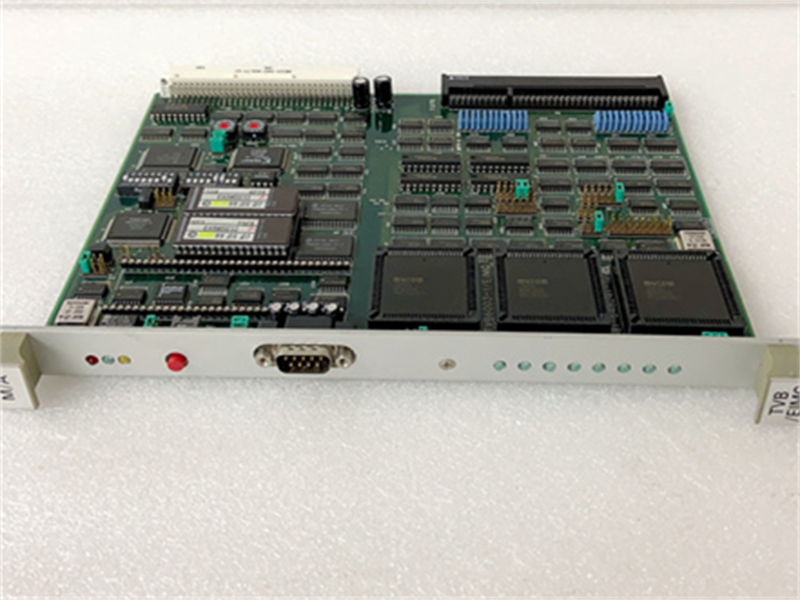
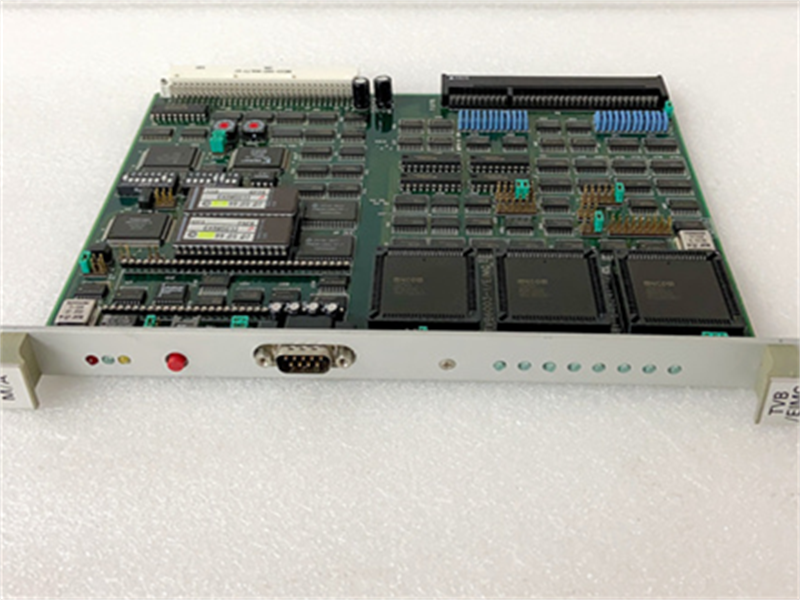
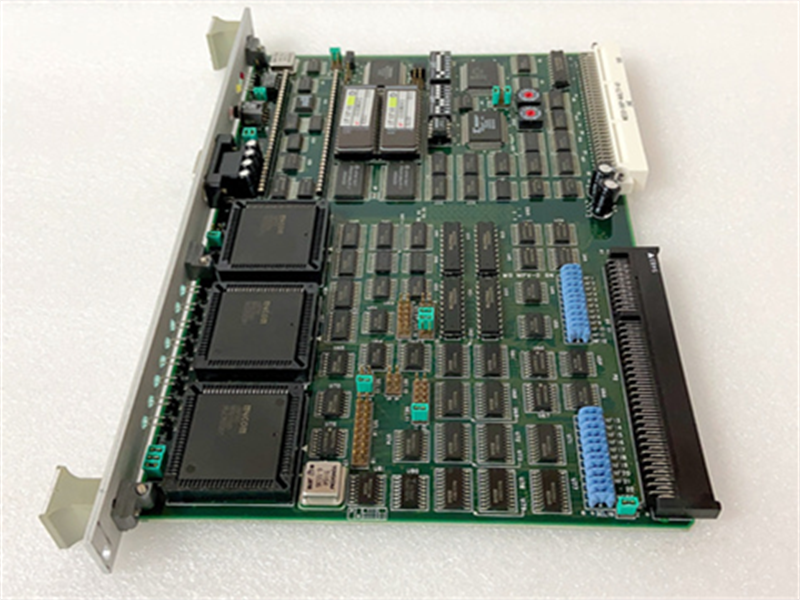
The IS10BAPAH1A is a Mark VI series analog processor module manufactured and designed by General Electric (GE) for use in GE Spedtronic gas turbine control systems.
This analog processor module plays a crucial role in managing and regulating analog signals associated with gas turbine operation. Gas turbine control systems require precise monitoring and adjustment of various parameters to ensure optimal performance, efficiency, and safety. The analog processor module helps process continuous analog signals generated by sensors and instruments throughout the gas turbine system.
The Mark VI employs a centralized control design, with a central control module at its core featuring a 13 or 21-slot VME card rack. This platform can be used to integrate power island and auxiliary equipment control systems. In contrast, the Mark VIe is a distributed control system where control processing is distributed throughout the system via nodes. These nodes are then controlled by a central dispatcher.
The IS210BAPAH1A analog processor module is designed to regulate and process analog signals from various sensors used in gas turbine and steam turbine control systems.
Before digitization, it eliminates DC bias and amplifies AC components through an analog-to-digital converter, thereby improving resolution. This ensures precise control and monitoring of key parameters such as fuel flow, combustion process, and turbine speed.
Parameters:
Input Voltage: 125 V dc
Output Voltage: 24 V dc
Operating temperature: -30 to +65°C
Mounting: DIN-rail
Power Supply: 28 V dc, 0.5 A dc
Pressure Input: 12 to 18.5 V dc
Sensor Power Output: 12 to 18.5 V dc, 2.9 to 4.3 mA dc
Analog Signal Conditioning Channels: 18
A/D Input Channels: 24
Features:
- Sensor Interface
Gas turbines have numerous sensors that measure parameters such as temperature, pressure, sped, and fuel fow. The Analog Processor Module interfaceswith these sensors to receive the analog signals representing these physical quantities.
- Signa conditioning
Analog sgnals from sensors may need to be conditioned before they are used for contro purposes The Analog Processor Module incudes componentslike amplifiers, filters, and converters to condition and scale these signals appropriately.
- Control Signal Generation
The processed analog senals are then utlized to generate conto slgnals that govern various aspects of the gas turbine's operation. This couldinvolve adjusting fuel flow rates, controlling the combustion process, or managing the turbine speed.
- Feedback control
Gasturtine contol systems oftenemploy fedback loopsto continuously monitor the turtine's performance and make real time adjustment. The AnalogProcessor Module may play a role in processing feedback signals to maintain stable and efficient operation.
- Faut Detection and Dlagnostis
Analog processorscan be programmed to anayze analog sgnl for anomalles thatmightindicate faultsor iregularites in the system. Earlyletection of issues is crucial for preventing damage and ensuring the turbine's reliability.
- Compatiblity wth Digttal Systems
While analog processing s essential, moder gas turbine control ystems often ntegrate analog and digtal components. The AnalogProcessor Module may interface with digtal contro lers and communication systems to exchange information and execute coordinated control strategies.
Frequently Asked Questions:
1.How does the analog processor module participate in the generation of gas turbine control signals?
This module uses processed analog signals to generate control signals that affect key aspects of gas turbine operation. This may include adjusting fuel flow, managing the combustion process, and controlling turbine speed to maintain efficiency and stability.
2.What is the primary purpose of the IS210BAPAH1A board?
The primary purpose of the IS210BAPAH1A board is to condition analog signals by eliminating DC bias and amplifying AC components, thereby maximizing resolution.
3.How many analog signal conditioning channels does the IS210BAPAH1A contain?
The IS210BAPAH1A contains 18 analog signal conditioning channels.
4.How many A/D input channels does the IS210BAPAH1A support?
The IS210BAPAH1A supports 24 A/D input channels.
5.What is the role of the PHY0 and PHY1 physical Ethernet layers in the IS210BAPAH1A?
The PHY0 and PHY1 physical Ethernet layers in the IS210BAPAH1A facilitate data communication and integration with the control system.
6.What is the role of the IS210BAPAH1A in a gas turbine control system?
The IS210BAPAH1A is crucial in managing and regulating analog signals related to gas turbine operation.
7.How does the IS210BAPAH1A improve gas turbine efficiency?
The IS210BAPAH1A improves gas turbine efficiency by precisely regulating analog signals, thereby increasing resolution and accuracy.
Datasheet Link:
 IS210BAPAH1A GE ANALOG PROCESSOR MODULE PDF Datasheet